Budget Gift Ideas: Meaningful Presents Under $30 Found
"A thoughtful gesture often leaves a deeper impression than a heavy price tag."
You stand in the aisle of a local boutique, looking at a price tag that makes you wince, then looking at a much cheaper alternative that feels a bit too plain. You want to show someone you care, but you also have a strict budget to maintain.
Finding a meaningful gift when you only have about $25 to $30 to spend can feel like a high-stakes puzzle. It is entirely possible to give something that feels luxurious and intentional without overspending.
Key Takeaways
* Sentimentality and presentation are more important than the raw cost of the item. * Focus on high-quality consumables or small, useful lifestyle upgrades. * Matching the gift to the recipient's specific daily habits prevents "clutter" gifts. * A handwritten note acts as a force multiplier for any budget-friendly item.

How do I pick a fail-proof gift in this budget?
The fluorescent lights of a department store hum overhead as you stare at a shelf of various trinkets, wondering which one won't end up in a junk drawer by next week. You want to avoid that awkward moment where a recipient smiles politely but clearly feels nothing.
In the sub-$30 range, a "fail-proof" gift is not about luxury materials like gold or heavy leather; it is about perceived value and utility. If you buy a cheap plastic gadget, it feels cheap. If you buy a high-quality bag of specialty coffee beans, it feels like a curated treat.
The first rule is to focus on presentation. A $25 candle in a beautiful, heavy glass jar with a minimalist label feels much more expensive than a $40 gadget in flimsy plastic packaging. Spend $20 on the item and $5 on high-quality wrapping paper or a sturdy gift bag.
The second rule is to prioritize sentiment over sheer volume. A single, well-chosen book or a specialized tea tin shows you know their tastes. Pairing a small item with a handwritten note elevates its worth instantly.
Finally, think about "Activity vs. Object." Instead of a random decorative item, think of a kit. A $25 budget can easily cover a bag of gourmet popcorn and a box of movie theater candy, creating a "Movie Night" experience rather than just a pile of snacks.
| Strategy | Focus Area | Result |
|---|---|---|
| The Consumable | High-end food, coffee, or tea | No clutter; a temporary luxury |
| The Utility | Quality stationery or desk tools | Useful in daily life |
| The Experience | Small kits (e.g., tea ceremony, movie night) | Creates a memory |
But how do you tailor these strategies to the specific people in your life?
Who am I shopping for?
You sit at your kitchen table, a notebook open, trying to bridge the gap between your budget and your best friend's specific personality. You know they love tea, but will a tin of Earl Grey feel like "enough"?
When shopping for a partner, look for small accessories or sensory items. A high-quality scented candle or a unique, artisanal chocolate bar works well. Avoid "gag" gifts; instead, go for something that touches their daily routine, like a beautiful ceramic mug.
For parents or family members, tap into shared history or comfort. A specialized tea set or a high-quality journal can be deeply appreciated. If they are avid readers, a beautiful hardcover edition of a classic is a timeless choice that fits this budget perfectly.
Colleagues and business contacts require a different touch. You want to avoid looking like you are trying too hard or, conversely, looking cheap. High-quality stationery, a sleek metal pen, or a sophisticated desk plant (like a small succulent) are professional and tasteful.
For housewarming gifts, look for "practical luxury." This means items people use every day but might not splurge on for themselves, such as a high-end hand soap or a designer dish towel. These items add immediate value to a new home without being intrusive.
Choosing the right person is easy, but choosing the right time can be the real challenge.
🧭 Situational Matchmaker: Occasion vs. Gift
You glance at your calendar and realize the birthday is only three days away. The sudden realization of a deadline makes the shopping process feel much more pressured than it actually is.
A birthday gift should feel celebratory, whereas an anniversary gift should feel more personal. For a birthday, a "celebration kit" like a small bottle of sparkling cider or a gourmet snack box works well.
For an anniversary, lean toward something that references a shared memory, even if it is just a small framed photo.
If you are facing a last-minute situation, look for "ready-to-go" bundles. Most high-end grocery stores or boutiques offer pre-packaged gift sets that look intentional. A curated selection of local cheeses or a boxed set of artisanal biscuits can be a life-saving, high-quality option.
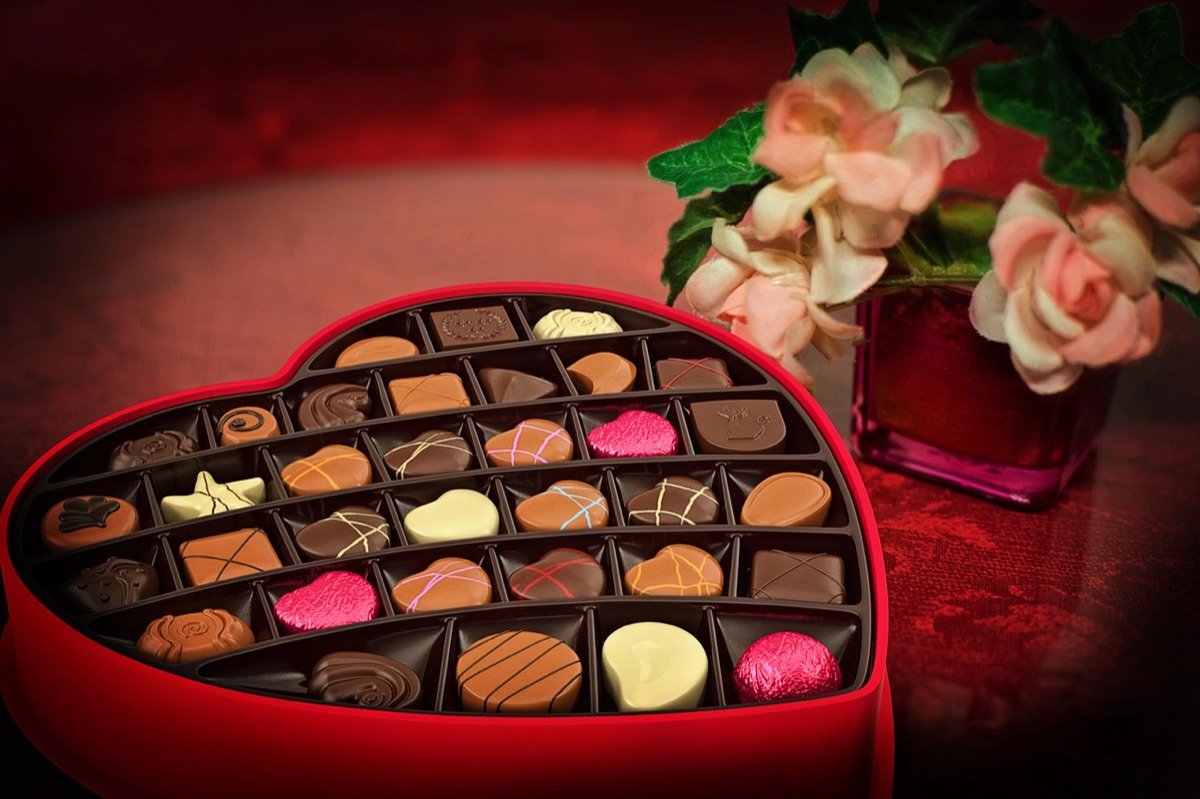
Seasonal touches also matter. During holidays like Christmas or Valentine's Day, the atmosphere allows for more festive, themed items. A small, beautifully wrapped ornament or a seasonal spice kit can feel very appropriate for the time of year.
For those "just because" moments, keep it light. A small, thoughtful item like a unique bookmark or a specialty snack shows you were thinking of them without the pressure of a major milestone.
But even the perfect gift can fall flat if the presentation doesn't match the effort.
📉 Beyond the Item: The Art of the Perfect Presentation
You wrap the gift carefully, smoothing out the creases in the paper, hoping the effort shows. You realize that the way the gift is revealed is just as important as what is inside the box.
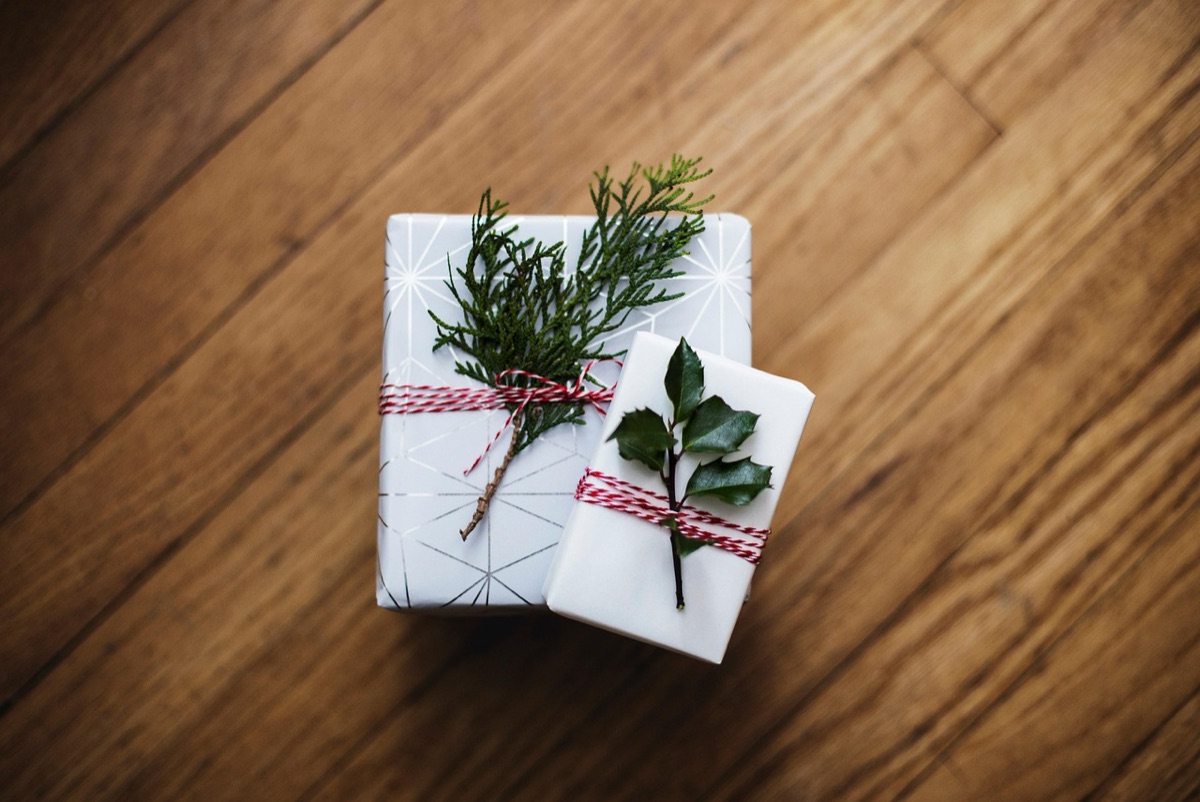
The unboxing experience can transform a $25 item into a $50 experience. Use thick, high-quality paper, real fabric ribbons, or even dried flowers tucked into the bow. This tactile experience makes the recipient feel that the gift was handled with care.
Moving from a single item to a themed collection is another way to add depth. Instead of just a bag of coffee, include a small, inexpensive spoon or a single biscotti. This makes the gift feel like a complete "moment" rather than a random purchase.
Timing and context are the final pieces of the puzzle. Delivering a gift with a specific reason—"I saw this and thought of that trip we took"—adds a layer of storytelling.
A follow-up, such as a quick text saying, "I hope you enjoyed that tea this morning," makes the gift feel like a bridge to a relationship rather than a finished transaction.
When I was shopping for a friend's housewarming in late 2025, I spent $18 on a single designer hand soap and $7 on a nice ribbon. The recipient actually sent me a photo of it sitting on their new marble counter, saying it looked like it belonged in a luxury hotel. That is the power of presentation.
However, there is a limit to this approach. If the recipient is a minimalist who values zero-waste living, even the most beautiful wrapping can feel like an unnecessary burden. Always consider the recipient's lifestyle before choosing your presentation style.
💡 Quick Decision Tree: If You’re Stuck, Choose This...
You stare at the various options on the shelf, feeling paralyzed by choice. You need a way to narrow down the possibilities before you make a mistake.
If you are struggling to decide, follow this step-by-step checklist to find your direction:
- Identify the "Vibe": Is the recipient a "functional" person or an "experiential" person?
- Select the Category:
- * For the Functional: Choose high-quality stationery, a sleek notebook, or a minimalist desk accessory.
- * For the Experiential: Choose high-end consumables like specialty coffee beans, luxury hand cream, or artisanal chocolates.
- Check the Budget Split: Aim for an 80/20 split. Spend 80% of your budget on the core item and 20% on the presentation (wrapping, a nice card, or a small extra like a single chocolate).
- The Final Test: Ask yourself, "Will this clutter their space, or can they use it up?" If it's the former, pivot to a consumable.
Summary Table for Quick Reference
| Recipient Type | Best Category | Example Item |
|---|---|---|
| Partner | Sensory/Romantic | Scented Candle or Gourmet Chocolate |
| Family | Comfort/Hobby | Specialty Tea or a Hardcover Book |
| Colleague | Professional/Utility | Premium Stationery or a Desk Plant |
| Host | Practical Luxury | Designer Hand Soap or Kitchen Linen |





Comments 0